
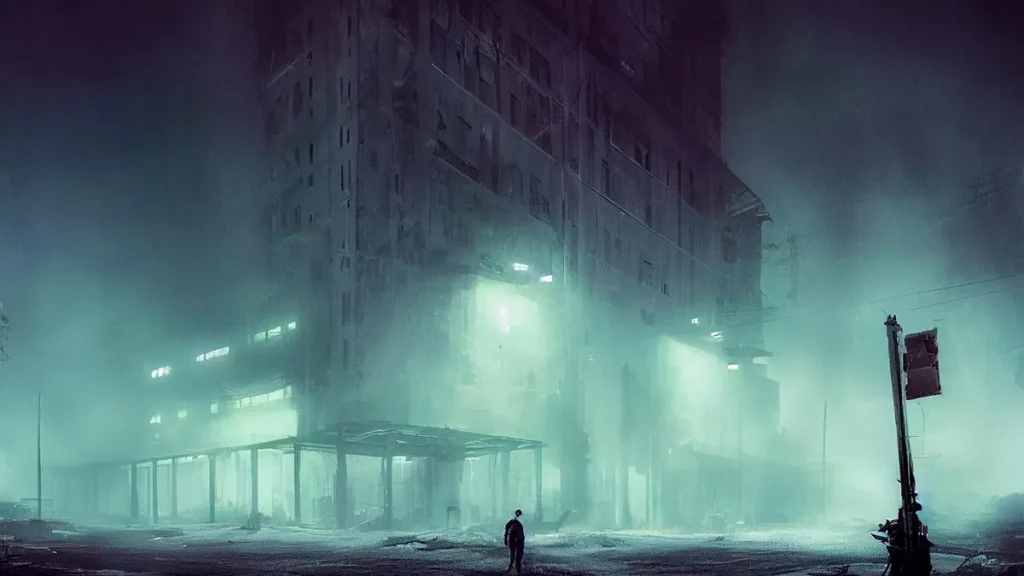
Key facts
- Tenebris Somnia is a retro-styled horror adventure that combines 2D pixel exploration with live-action sequences and full-motion video cutscenes.
- Airdorf Games executive produces Tenebris Somnia, and Airdorf created the Faith: The Unholy Trinity series.
- Tenebris Somnia releases on October 16, 2026, on PC, PlayStation 4, PS5, Switch, Switch 2 and Xbox Series X/S.
- Steam and GOG are also release platforms for Tenebris Somnia.
Eurogamer published coverage of 8-bit horror Tenebris Somnia on October 30, 2026, after its October 16, 2026 release on PC, PlayStation 4, PS5, Switch, Switch 2, Xbox Series X/S, Steam and GOG, with physical pre-orders through Lost In Cult expected to ship in Q1 2027.
Tenebris Somnia is a retro-styled horror adventure blending 2D pixel exploration with live-action cutscenes, and Airdorf Games executive-produces it. Engadget reports that Airdorf, whose legal name is Mason Smith, created the Faith: The Unholy Trinity series, that New Blood Interactive, Faith’s publisher, is handling the release, and that Andrés Borghi directs for indie team Saibot Studios.
Engadget reports that the live-action cutscenes were filmed with real actors and practical effects by an award-winning crew from Argentina, and that no generative AI was used in their creation. Dread Central’s reviewer said Clara Kovacic plays Julia and delivered a solid performance, with attention to detail in recreating in-game scenes.
Eurogamer’s reviewer found the 2D adventure portions slow, plodding and unremarkable, with a deliberately old-school pace of moving screen to screen and collecting items. The reviewer doubts the game, saying the slow stop-start rhythm harms suspense and horror while laboriousness deflates tension, and calls the writing functional rather than intriguing. Still, the reviewer remains hopeful about the movie-making story at the heart of Tenebris Somnia, saying it seems to deepen and loop back in interesting ways. The reviewer acknowledged being only early in the game and having watched more of it than played.
Eurogamer’s reviewer described live-action scenes including a person with two faces, one inverted, rushing from darkness; a strange woman in a lift offering a gift; two waxen figures embracing in bed; and a giant lady with a hole in her face stretching toward the ceiling. The reviewer called the sequences captivatingly weird and well-produced, impressive polish in an otherwise lo-fi indie experience, and said they create propulsive anticipation because solving a puzzle or unlocking a door brings lavish reward and revelation.
Dread Central’s reviewer found enemies and creatures manageable, with running and evading always an option, and described combat as aiming then swinging a melee weapon or shooting. Puzzles required attention to items, clues and visited areas without being too hand-holdy or too difficult. The reviewer used a revolver early to get comfortable with aiming and shooting, then settled on evading and saving ammo once they understood enemy patterns. Clara Kovacic and the other actors delivered solid performances.
Noisy Pixel’s reviewer played Tenebris Somnia in one impromptu long-form session and called it a standout multimedia triumph. Nightmares of terrible things happening to her ex-boyfriend Ivan, a filmmaker linked to the horror short Devora, haunt Julia, and she visits his apartment after the nightmares become more frequent and disturbing; Dread Central says shortly after arriving at the apartment they used to share, something is amiss. A note written in blood on the wall says Ivan joined a cult that promised to erase memories of the failed relationship, an event that placed him into suicidal depression.
Noisy Pixel’s reviewer found hostile enemies plentiful and healing items and ammo running out fast, creating consistently building tension, with nearly every boss battle built around an underlying puzzle and a generous checkpoint system. The reviewer criticized pixel hunting for points of interest as occasionally tedious, though critical items are immediately visible. The outlet classed the gameplay as retro-styled survival horror, with full-motion video cutscenes, and praised the practical effects and performances.

Shacknews’s reviewer says Tenebris Somnia taps into vintage Commodore 64 and MS-DOS era side-scrolling games and calls the narrative its strongest point, but reports a 6-hour run and criticizes slow default movement, cumbersome combat, obtuse puzzles and backtracking. The reviewer spent over 40 minutes returning to locations many times on a moonlit potion puzzle and said there were not enough clues. Mirrors reveal invisible enemies and black lights invert colors, affecting controls and visuals. The review used a publisher-provided Steam code.
Game Informer’s reviewer describes an eight-hour runtime set entirely within a dreamlike four-story apartment building and praises fun, distinct boss battles including wave-based gremlin-like foes, protecting a fragile effigy, and fighting mirror-image versions of a tentacled flesh monster. Managing limited ammo and health feels tense but not oppressive, the reviewer said, and playing conservatively is rewarding. The outlet called Tenebris Somnia a captivating, well-executed survival-horror romp that maintains a hair-raising atmosphere.
Eurogamer.es says Tenebris Somnia lasts about 5-6 hours in a first playthrough and offers several alternative endings, which the reviewer called a perfect duration for the genre. The reviewer criticized bosses as longer than they should be, feeling like bullet sponges, with easy ammo depletion and few refills during encounters.
Noisy Pixel says Ivan is a filmmaker linked to the horror short Devora, that environments recount details of the failed relationship and Ivan’s attempt to write a full-length movie, and that scenes documenting the recording of Devora show tricks the creators use later in more elaborate horror scenes. Eurogamer.es says many puzzles require interacting with cameras or shooting signals, and Gaming.net notes official descriptions hide information needed for progress, or secrets, within cutscenes.
Engadget reports that Andrés Borghi is known for visual effects work on When Evil Lurks and worked with Saibot on the 2021 fighting game The Black Heart. Eurogamer notes his background in both film and game development suits the hybrid design.
The critics split on whether the slow adventure segments serve the horror: Eurogamer’s reviewer found the stop-start rhythm damaging to suspense, Shacknews’s reviewer stuck with the game because of the story, and Game Informer’s reviewer found managing limited ammo and health tense but not oppressive. Eurogamer.es puts the length at 5-6 hours, while other reviews estimate 6 hours and 8 hours.




Join the discussion